


20-Minute Neighbourhood: Sustainability Meets Quality of Life
Community
CREATED
29 Jun 2022
www.syne.com/story/minute-neighbourhood-...
With sustainability becoming a key influencer in major decisions or changes by Governments, most countries across the globe are ensuring that all aspects of the decision-making process are handled in a manner that promotes sustainability.
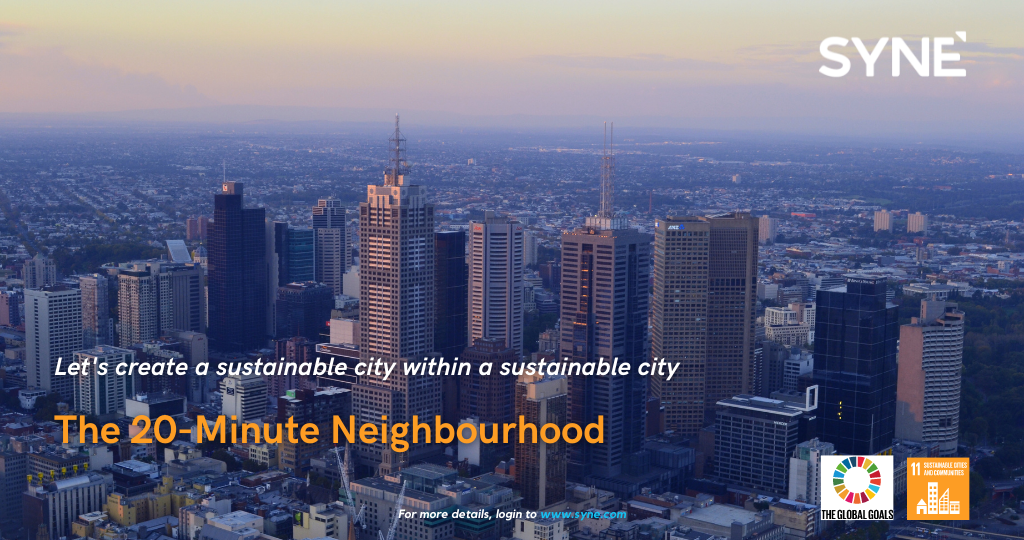
Australia has created news by adopting a plan promoting the establishment of sustainable cities- titled Plan Melbourne 2017-2050, it is a long-term strategic plan that would form the blueprint for the growth and change of the city up to 2050. The Melbourne Metropolitan Councils have been invited to take part in the 20-minute neighbourhood Municipal Strategic Planning Project.
What is a 20-minute neighbourhood?
Also known as the 15-minute city, it is designing a locality in a fashion that all needs for a neighbourhood are within a distance that can be reached within n 15-20 minutes of cycling or on foot, thereby ensuring that the daily needs can be met within this time frame. This concept has been taking more notice especially since the COVID-19 pandemic, where the importance of quality of life and accessibility was questioned.
The neighbourhood would have access to the following amenities, all within the proposed time (15-20 minutes’ walk/cycle):
Shopping Centres
Health facilities and services
Schools
Playgrounds and parks
Green streets and spaces
Community gardens
Sports recreations facilities
Affordable housing options
Housing diversity
Safe cycling networks
Local public transport
Local employment opportunity
Apart from the aspect of accessibility, such a neighbourhood would ensure safety, recreational spaces, thriving local economies, quality public services and other facilities.
Why a 20-minute neighbourhood?
Our environment and community play a direct role in our health. When we design a 20-minute neighbourhood, this will aid in improving physical health, reducing traffic, improving the access to public transport, improving air quality, profitable local businesses, strengthening community bonds, and more.
Apart from these, if individuals make an effort to conserve water (through rainwater harvesting, STP treatment, and so on), waste recycling, and switch to green energy and electric vehicles, this plan could allow us to fulfil several United Nations Sustainable Development Goals (SDGs) such as SDG 3, 6, 7, 8, 11, and 13.
This is a step in the right direction, which, needs collaborative efforts from the government and citizens for its implementation and success – once again underlying the fact that it is collectively, that we can change this World.
View Comments